
Coffee Atelier

>

Frothing milk for cappuccino

How to froth milk for cappuccino: a complete guide 

Frothing milk for cappuccino is an essential skill for anyone who loves café-style coffee at home. The creamy, airy texture of cappuccino foam enhances both taste and presentation, and learning how to froth milk for cappuccino can elevate your daily ritual. In this guide, we’ll walk through the science behind milk frothing, multiple methods to achieve perfect foam, timing and volume tips, and how to pair your frothed milk with great espresso, whether you’re using dairy or plant-based milk. 


Understanding milk frothing basics 

Before diving into the how-to steps, it’s helpful to understand what happens when you froth milk and why it’s important. 

Why frothing milk is essential for cappuccino 

Frothing milk introduces micro-bubbles into the liquid, transforming it into smooth, velvety foam. This cappuccino foam adds sweetness, enhances mouthfeel and creates the classic layered structure of a traditional Italian cappuccino. Without properly frothed milk, the drink loses both texture and aromatic harmony. 

Types of milk suitable for frothing 

Choosing the right milk influences how easy it is to froth and the final consistency: 

  • Whole milk: richest and creamiest foam, ideal for classic cappuccino microfoam. 
  • Low-fat or skim milk: froths more quickly and produces higher foam volume. 
  • Plant-based options: If you’re wondering how to froth almond milk for cappuccino, lighter foam with larger bubbles. For a barista-style cappuccino made with almond, oat or soy milk, choose barista-specific formulations and avoid overheating to prevent separation. 


How to froth milk for cappuccino: methods compared  

There are several techniques you can use to froth milk at home, each offering a different level of control, consistency and foam quality. From professional steam wands to automatic steamers and everyday frothers, choosing the right method depends on your experience, equipment and how creamy you want your cappuccino foam to be. 

Frothing milk with a steam wand 

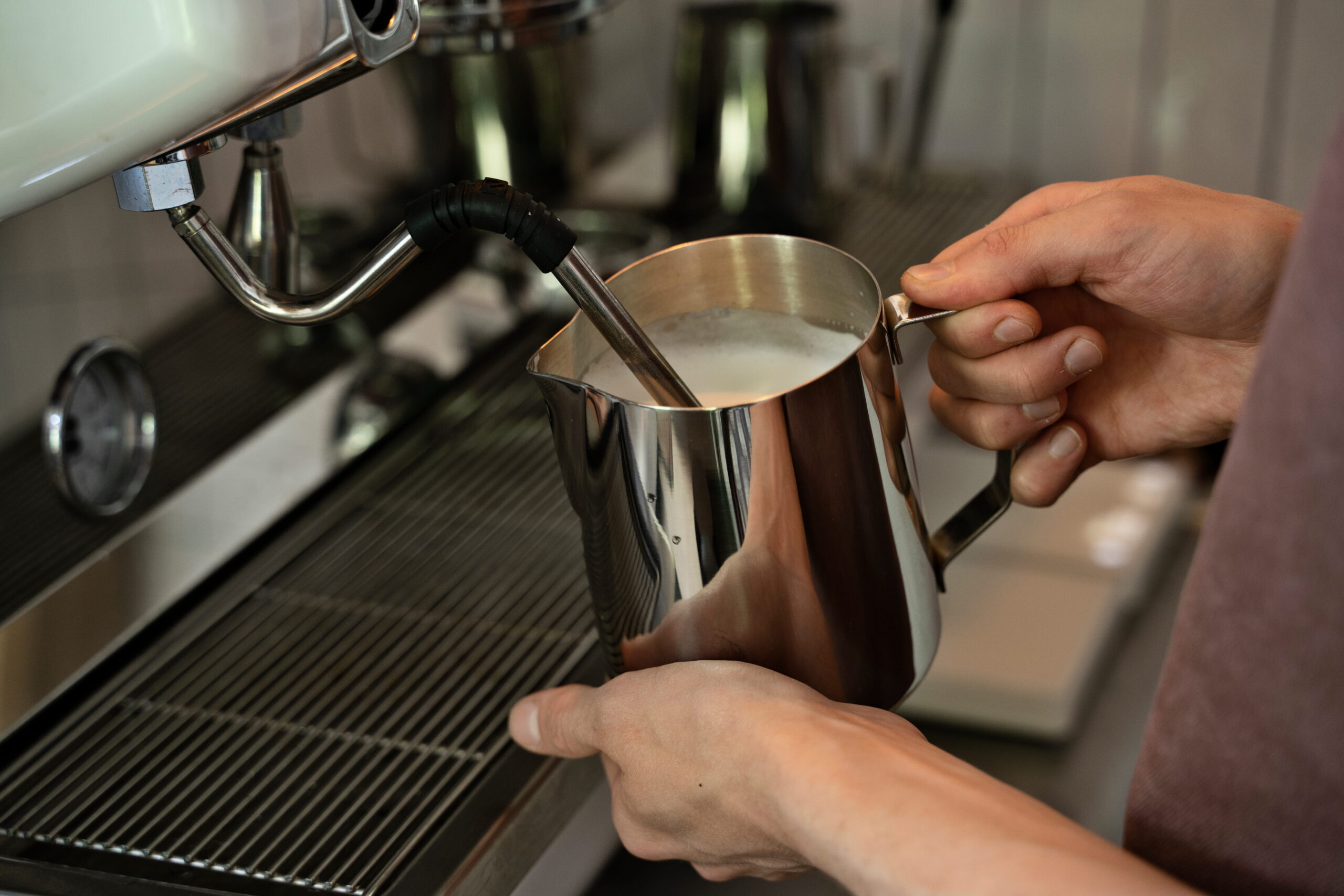
If you want authentic café-quality cappuccino foam, a steam wand remains the best way to froth milk. Quick Mill’s semi-automatic espresso machines such as the Quick Mill RubinoRubino Plus, and other models like POP, Luna, Pippa and Pop-Up, feature powerful stainless steel steam wands designed to create dense, silky microfoam quickly. 

Recommended Quick Mill machines for creamy cappuccino

  • Rubino / Rubino Plus – heat-exchanger machines with professional steam wands, excellent for consistent microfoam. 
  • Other Quick Mill models (such as POPLuna) also feature efficient steam wands capable of producing high-quality cappuccino foam, making them great options for home baristas. If you want more information, you can have a look at our website or contact the closer vendor to yout home.  

How to froth milk with a steam wand: step-by-step 

  1. Fill the pitcher halfway with cold milk. 
  2. Purge the wand. 
  3. Place the tip just under the surface to introduce air. 
  4. Stretch the milk until it expands. 
  5. Submerge the wand slightly to texture the foam. 
  6. Stop at 60–65°C / 140–149°F. 
  7. Clean the wand immediately. 

Frothing milk with an automatic steamer  

Not everyone wants to master manual technique. The Nuvola milk steamer is a more accessible, automatic solution that creates creamy, consistent foam at the touch of a button. 

Why Nuvola is different 

  • Fast and user-friendly 
  • Perfect for beginners 
  • Works well with dairy and plant-based milks 

Frothing milk with an electric or manual frother 

If you don’t have a steam wand or Nuvola, you can still make foam using: 

  • Electric handheld frothers 
  • Standalone frothers 
  • Manual pump frothers 

These incorporate air mechanically and produce lighter foam compared to steam wands, but still good for home cappuccinos. 

Tip: Heat the milk to 55–60°C / 130–140°F depending on the device. 


Tips for perfect cappuccino foam 

How long to froth milk for cappuccino? 

Typically: 

  • With a steam wand: 20–30 seconds 
  • With a frother: 30–60 seconds 

Stop when the pitcher becomes warm to the touch and the milk reaches ideal temperature. 

How much milk to froth for cappuccino? 

Fill your pitcher no more than halfway. Milk expands as it froths, and overcrowding prevents proper aeration. 

What common mistakes should be avoided when frothing milk? 

  • Overheating the milk → leads to burnt flavors and unstable foam 
  • Keeping the steam tip too deep → no air incorporation 
  • Keeping it too high → large, unstable bubbles 
  • Not purging or cleaning the wand → affects hygiene and foam texture 
  • Using old or low-protein plant milks → inconsistent results 


Enhancing your cappuccino experience 

Start with the perfect espresso 

No matter how beautifully you froth milk, your cappuccino will only be as good as the espresso beneath it. A well-balanced shot requires: 

  • fresh beans, 
  • consistent grind size, 
  • correct dose and tamp, 
  • proper extraction time. 

If you want a few extra tips on making espresso at home, have a look at Quick Mill’s guide:
https://www.quick-mill.com/blog-and-tutorial/make-espresso-home/ 

Elevate your cappuccino with curated flavors 

Once you master how to foam milk for cappuccino, you can explore: 

  • vanilla or caramel syrups 
  • cocoa, cinnamon or nutmeg 
  • almond, oat or coconut milk for new textures 
  • flavored espresso blends 

Flavored cappuccinos are easier to perfect when the milk foam is silky and consistent. 

 

Interested in becoming a distributor?

Be part of the Quick Mill family and grow with us!